Field notes for new birders

    Turn your yard into a place birds actually visit

    Beginner backyard birding, clearly explained. Practical steps, familiar backyard birds, and a small curated shop so you can start this weekend without the guesswork.

    Beginner steps
    3
    Common birds
    4
    Shop picks
    3
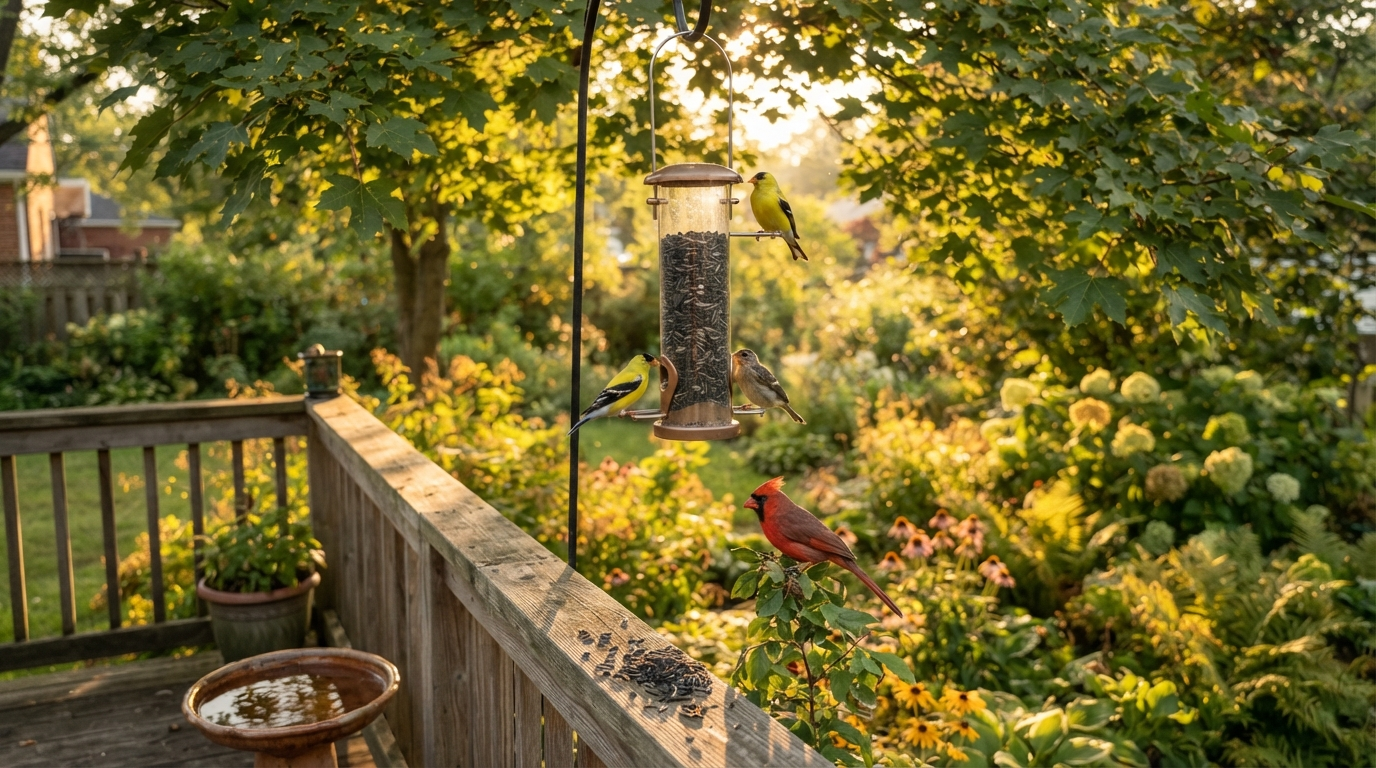
    Goldfinches and a cardinal visiting a backyard feeder at golden hour

    Observed at dusk

    Feeders fill faster than you think

    Est. first visit: 3 to 7 days

    Weekend plan

    Start birding this weekend

    You do not need a perfect habitat plan. Three simple moves cover food, water, and cover, the same basics birds look for in any yard.

    1. 01

      Offer the right food

      Start with black-oil sunflower seed. It fits most songbird beaks, stays fresh longer than mixes full of filler grain, and draws cardinals, chickadees, and finches within days.

      TipFill feeders in the morning so early visitors find a full table.

    2. 02

      Add clean water

      A shallow birdbath or dripper does as much work as a feeder. Birds drink and bathe daily, and moving water is easier for them to notice from the air.

      TipRefresh water every other day and scrub weekly to keep it safe.

    3. 03

      Create simple shelter

      Dense shrubs, a brush pile, or a well-placed nest box give birds cover from hawks and weather. Food alone rarely keeps them if they feel exposed.

      TipLeave a quiet corner of the yard a little wild. Birds prefer it.

    Pocket field guide

    Four birds you are likely to meet first

    Learn a handful of regulars before you chase rarities. These species show up at feeders across much of North America and teach you the habits that transfer to every other bird you will identify later.

    ID notes · what to offer · voice cues

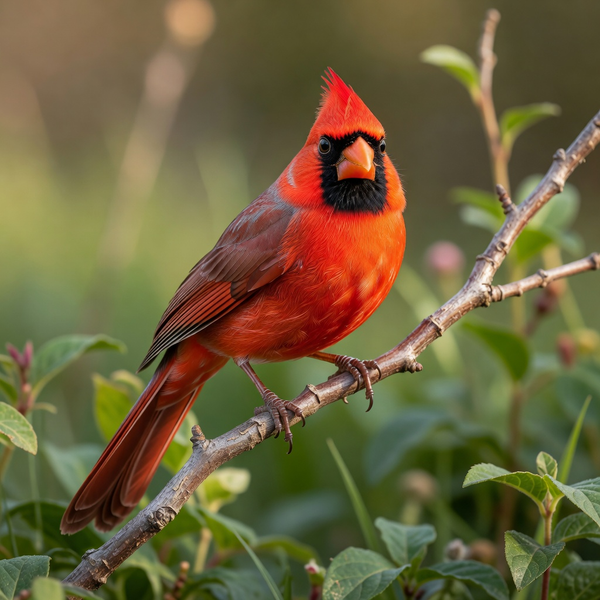
    Northern Cardinal
    Plate 01

    Northern Cardinal

    Cardinalis cardinalis

    Male is vivid red with a black face mask and thick orange cone bill. Female is warm tan with reddish wings and crest.

    AttractBlack-oil sunflower, safflower, and dense shrubs for nesting cover.

    VoiceClear whistled what-cheer, what-cheer
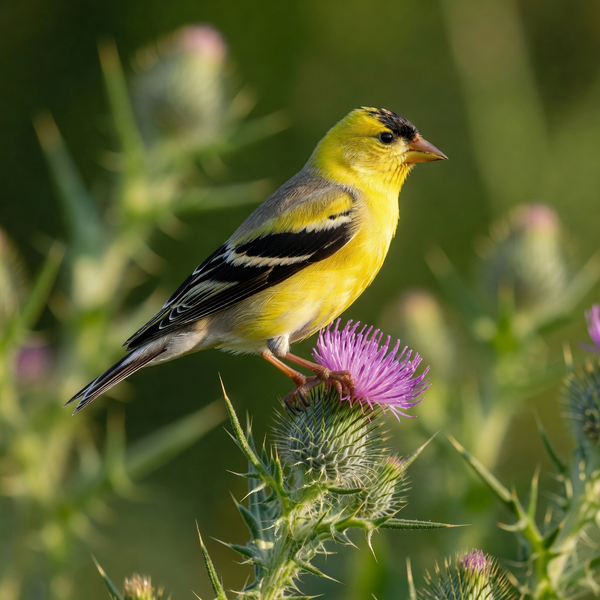
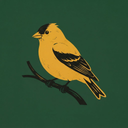
    American Goldfinch
    Plate 02

    American Goldfinch

    Spinus tristis

    Breeding males glow lemon-yellow with a black cap and black-and-white wings. Winter birds turn olive-buff.

    AttractNyjer (thistle) seed in a mesh feeder, plus coneflower and sunflower heads left standing.

    VoiceMusical per-chick-o-ree in flight

    Black-capped Chickadee
    Plate 03

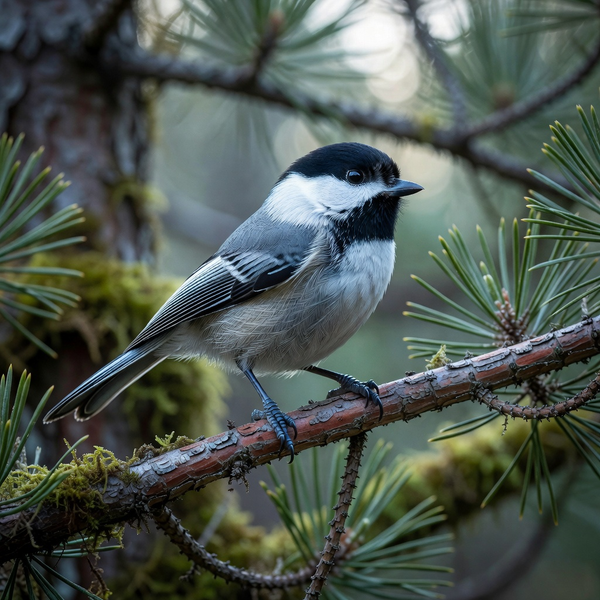
    Black-capped Chickadee

    Poecile atricapillus

    Tiny and round with a crisp black cap and bib, white cheeks, and soft gray back. Bold at feeders.

    AttractSunflower hearts, suet, and peanut bits. They cache food nearby.

    VoiceBright chick-a-dee-dee-dee

    Downy Woodpecker
    Plate 04

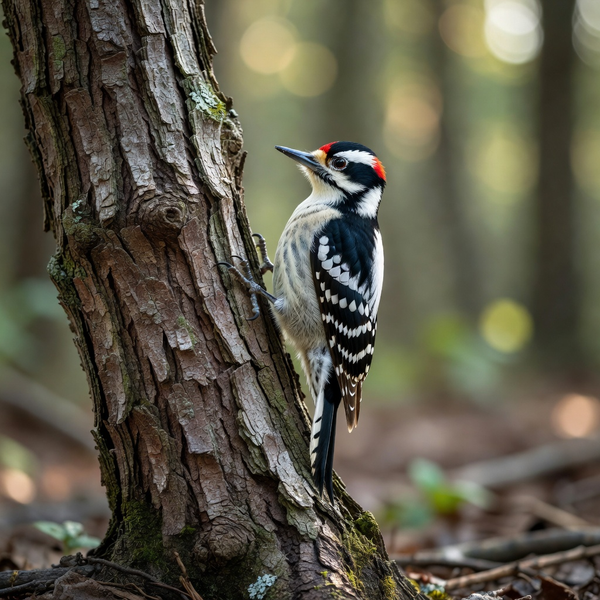
    Downy Woodpecker

    Dryobates pubescens

    Small black-and-white woodpecker with a short bill. Males show a small red patch on the nape.

    AttractSuet cakes, peanut feeders, and standing dead wood for insects.

    VoiceSoft pik and a descending whinny

    Curated shop

    Three essentials, no clutter

    Seed, a feeder, and a nest box cover most beginner yards. We chose durable materials and straightforward designs birds actually use.

    Checkout coming soon

    Prairie Blend Black-Oil Seed

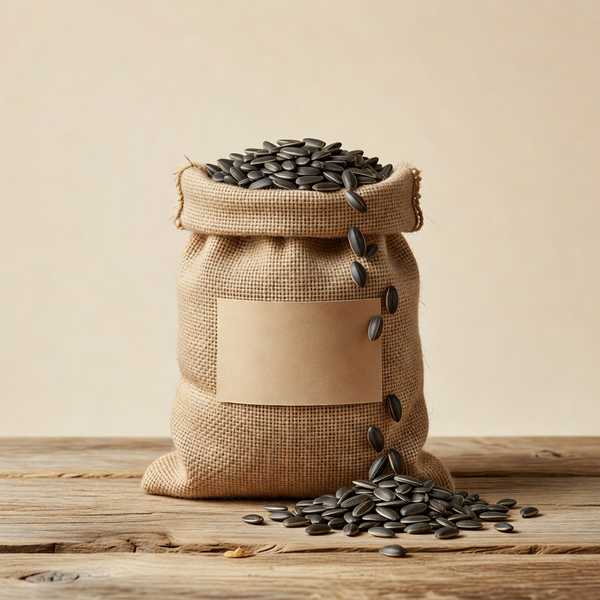
    Prairie Blend Black-Oil Seed

    $18

    5 lb bag · high-oil sunflower, low mess

    A clean single-ingredient staple for cardinals, chickadees, nuthatches, and finches. No milo filler, just seed birds actually finish.

    Cedar Tube FeederStarter pick

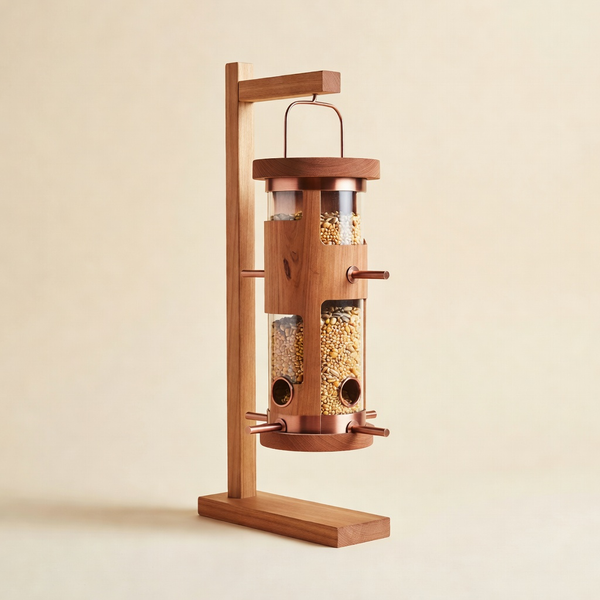
    Cedar Tube Feeder

    $42

    Weathered cedar · copper ports · 1.5 lb capacity

    A durable hanging feeder with clear seed chambers so you can see when it is time to refill. Built for small songbirds and easy cleaning.

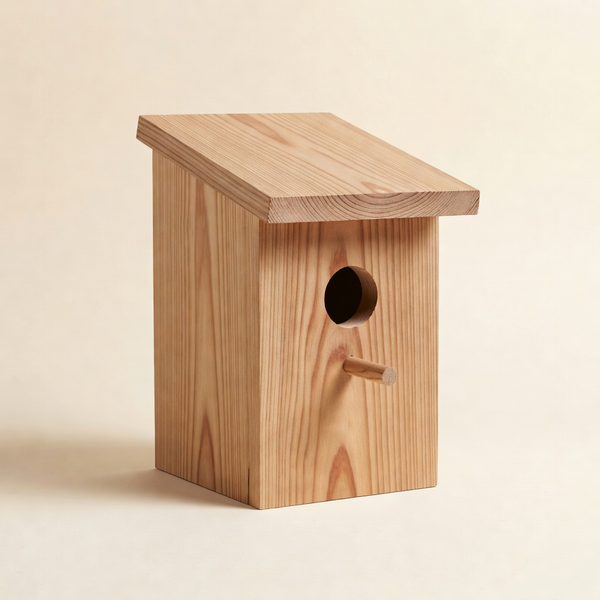
    Songbird Nest Box

    Songbird Nest Box

    $36

    Untreated cedar · 1.5" entrance · clean-out side

    Sized for chickadees, wrens, and nuthatches. Mount 5 to 10 feet high facing away from prevailing wind, with a clear flight path to the hole.

    Year-round routine

    A seasonal checklist that stays useful

    Bird activity shifts with the calendar. Use this as a quick yard walk-through each season so feeders, water, and shelter stay ready without overthinking it.

    Spring

    01
    • Clean feeders and birdbaths before migration peaks
    • Hang the nest box by early March in most regions
    • Offer mealworms or suet for nesting parents

    Summer

    02
    • Keep fresh water out during heat spells
    • Skip pesticides so fledglings can find insects
    • Watch for window strikes and add simple decals

    Fall

    03
    • Top off seed as migrants pass through
    • Leave seed heads and leaf litter for foraging
    • Deep-clean boxes after the last brood fledges

    Winter

    04
    • Provide high-fat foods: suet, peanuts, sunflower
    • Break ice on baths or use a gentle heater
    • Shelter feeders from wind with a simple baffle or wall
    Nestnote

    Beginner backyard birding, clearly explained.

    Clear guidance for new backyard birders, paired with a small shop of feeders, seed, and nest boxes worth putting out.

    On this site

    • Beginner birding guide
    • Backyard bird ID notes
    • Curated birding shop
    • Seasonal yard checklist

    © 2026 Nestnote. Built for quiet mornings at the feeder.

    Guide + shop · no account needed

    Buildy Logo
    Built with Buildy.ai